
2nd Semester
Interdisciplinary Project Work (IPW)
From ideas to validated solutions
At the end of the program, students will have developed a complete interdisciplinary engineering prototype supported by technical documentation, feasibility analysis, testing reports, experimentation, and final project presentation.
Overview
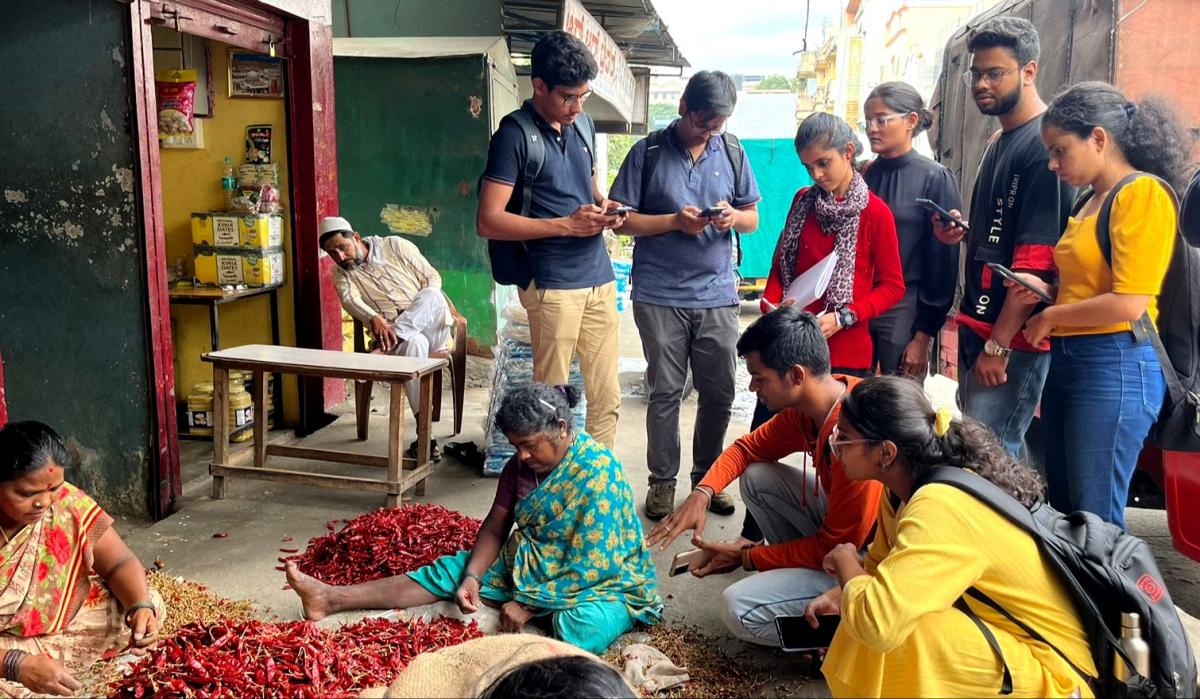
Interdisciplinary Project Work (IPW) is a project-based learning initiative designed to help students solve real-world engineering challenges through multidisciplinary collaboration, research, IoT integration, embedded systems, prototyping, testing, and experimentation.
Course Outcomes
By the end of the course, students will be able to:
- Form multidisciplinary engineering teams
- Identify real-world societal and industrial problems
- Conduct research and feasibility analysis
- Design and develop integrated engineering systems
- Apply IoT and embedded system technologies
- Build functional prototypes
- Perform testing, experimentation, and optimization
- Improve teamwork, project execution, and technical presentation skills
Syllabus
Course Syllabus
Week 1
Introduction to interdisciplinary engineering, project-based learning, and team formation activities.
Week 2
Problem identification through brainstorming, stakeholder mapping, literature survey, and market research.
Week 3
Defining project objectives, scope, constraints, and identifying research gaps.
Week 4
Feasibility analysis and concept evaluation using technical, economic, and social parameters.
Week 5
System planning through workflow design, block diagrams, resource planning, and project structuring.
Week 6
Introduction to embedded systems, IoT architecture, ESP32, NodeMCU, and Arduino IDE setup.
Week 7
Sensor interfacing and communication protocol integration using UART, I2C, and SPI systems.
Week 8
Subsystem integration, debugging, troubleshooting, and functional testing of engineering systems.
Week 9
Prototype testing, experimentation, data collection, and validation of engineering workflows.
Week 10
Data analysis, visualization, graph preparation, and engineering failure analysis activities.
Week 11
System optimization, refinement, and prototype improvement using testing feedback.
Week 12
Final system integration, technical documentation, and testing report preparation.
Week 13
Project presentation preparation, prototype demonstration practice, and report compilation.
Week 14
Final project showcase and demonstration of complete interdisciplinary engineering solutions.
Key Learning Areas
What Students Take Away
- Project-Based Learning
- Engineering Problem Solving
- IoT Systems
- Embedded Systems
- Communication Protocols
- Research & Analysis
- System Design
- Prototyping
- Testing & Validation
- Debugging & Optimization
- Team Collaboration
- Technical Documentation
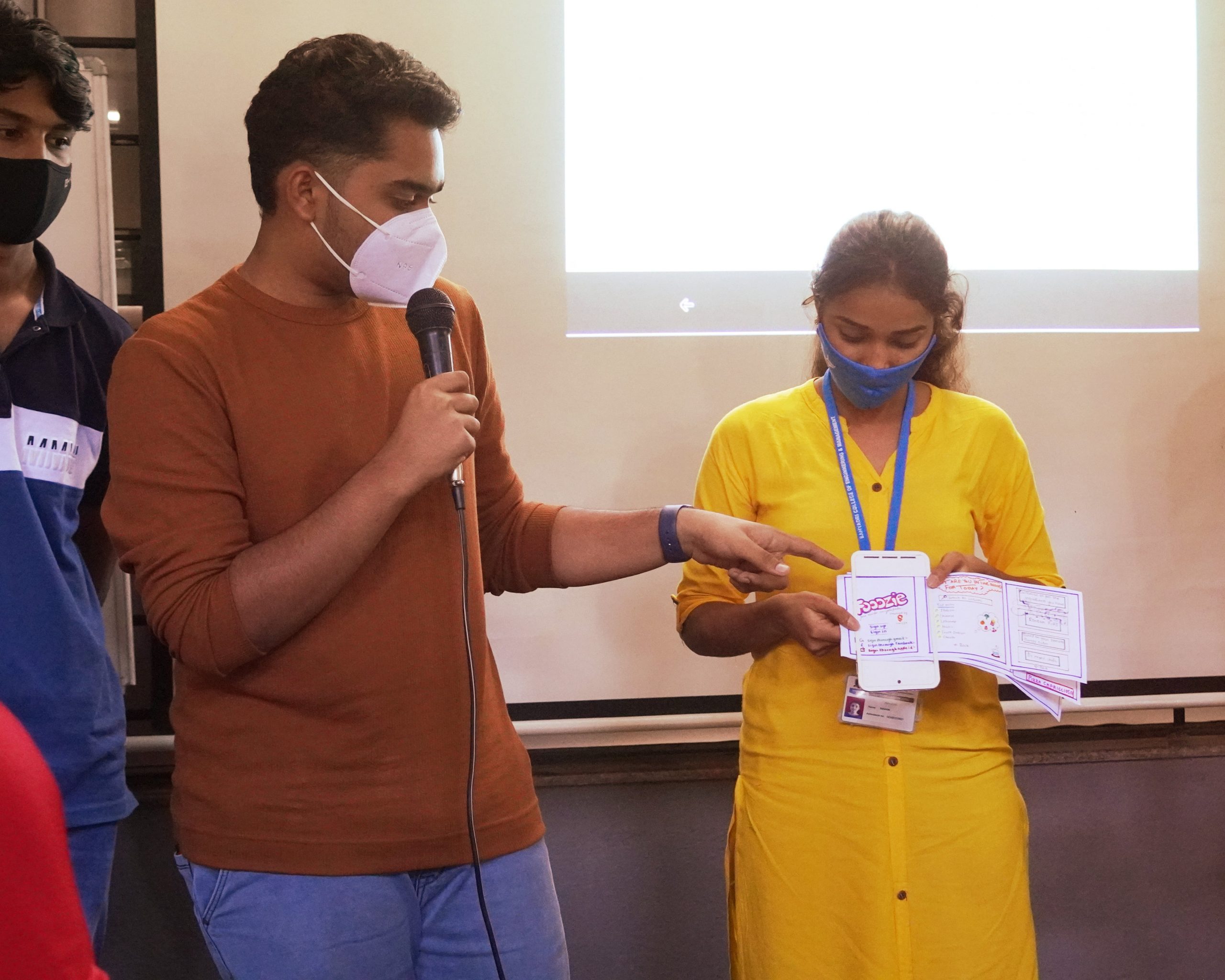
Students exploring startups, innovation roles, or impact projects.
Start building solutions with purpose.



